
Investment casting offers several advantages that make it a preferred method for manufacturing cast auto parts:
- Complex Geometries:
The process allows for the creation of intricate designs that are difficult or impossible to achieve with other manufacturing methods. This is particularly useful for components like engine parts, transmission systems, and suspension components. - High Precision and Surface Finish:
Investment casting produces parts with tight tolerances and smooth surfaces, reducing the need for additional machining and finishing. - Material Versatility:
A wide range of steel alloys can be used in investment casting, enabling the production of auto part cast components with specific mechanical properties, such as high strength, corrosion resistance, and heat tolerance. - Cost Efficiency:
For high-volume production, investment casting can be more cost-effective than other methods, especially when producing complex parts that would otherwise require extensive machining. - Lightweight and Durable:
The ability to create thin-walled yet strong components helps reduce the overall weight of vehicles, contributing to improved fuel efficiency and performance.
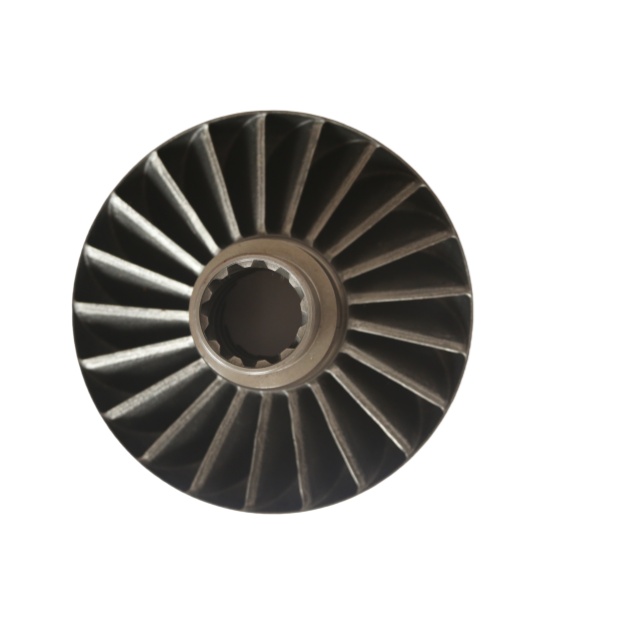

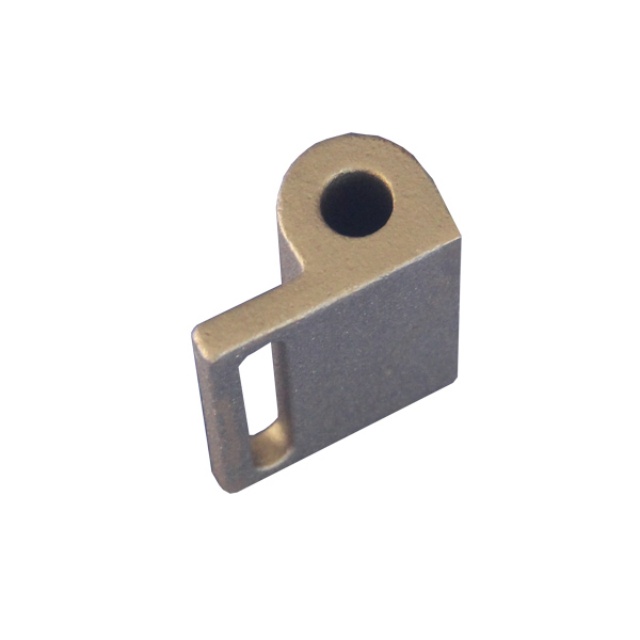
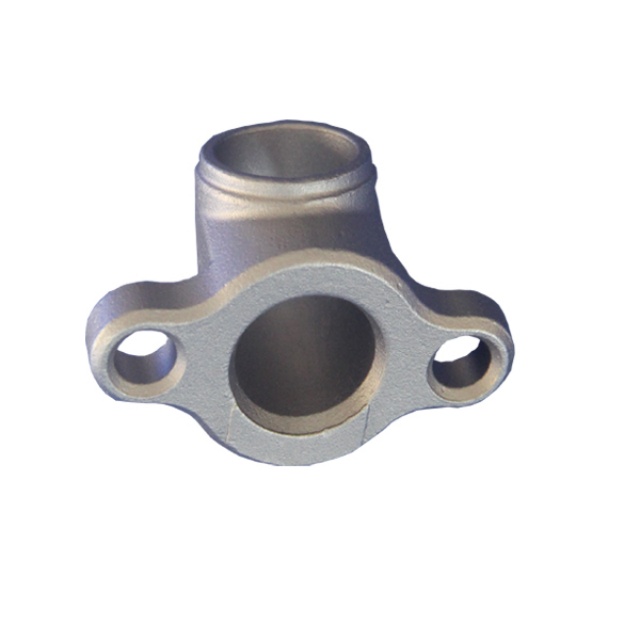
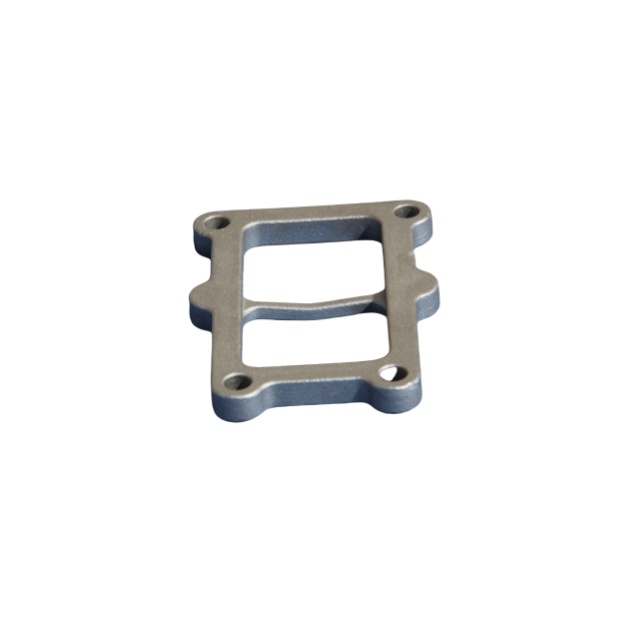
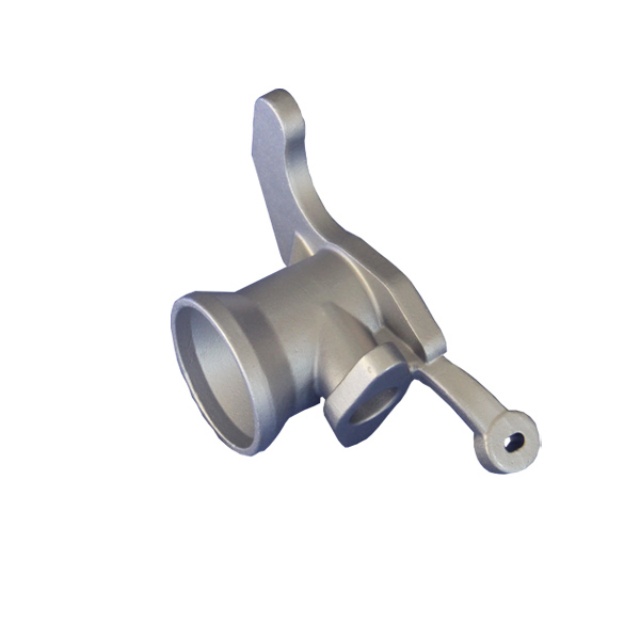
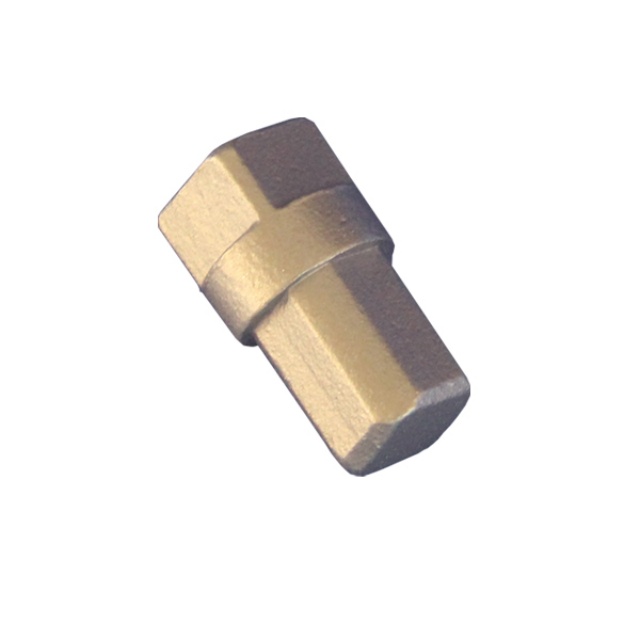
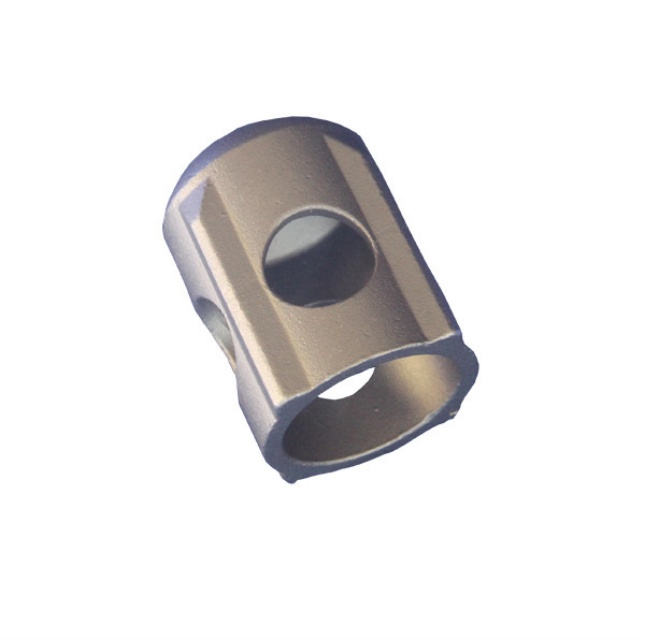
Investment casting is used to manufacture a wide range of casting auto parts that are critical to vehicle performance and safety. Below are some of the key components produced using this method:
1. Engine Components
Turbocharger Housings: Investment casting allows for the production of complex, heat-resistant turbocharger housings that withstand high temperatures and pressures.
Valve Bodies: Precision-cast valve bodies ensure smooth operation and longevity in engine systems.
Pistons and Connecting Rods: These components require high strength and precision, making investment casting an ideal choice.
2. Transmission Systems
Gears and Gear Housings: The high dimensional accuracy of investment casting ensures smooth gear operation and reduces wear.
Clutch Parts: Cast auto parts like clutch plates and housings benefit from the process’s ability to produce durable, heat-resistant components.
3. Suspension and Steering Components
Control Arms: Investment-cast control arms offer the strength and durability needed to handle the stresses of vehicle suspension systems.
Steering Knuckles: These critical safety components require high precision and strength, which investment casting can deliver.
4. Brake Systems
Brake Calipers: The process produces lightweight yet strong calipers that improve braking performance and reduce vehicle weight.
Brake Brackets: Investment casting ensures these components can withstand the high stresses of braking systems.
5. Exhaust Systems
Exhaust Manifolds: Heat-resistant steel alloys used in investment casting make it possible to produce durable exhaust manifolds that withstand extreme temperatures.
6. Structural Components
Chassis Parts: Investment casting is used to create strong, lightweight chassis components that enhance vehicle safety and performance.
Brackets and Mounts: These small but critical components benefit from the precision and durability of investment casting.
