Material selection for valve castings
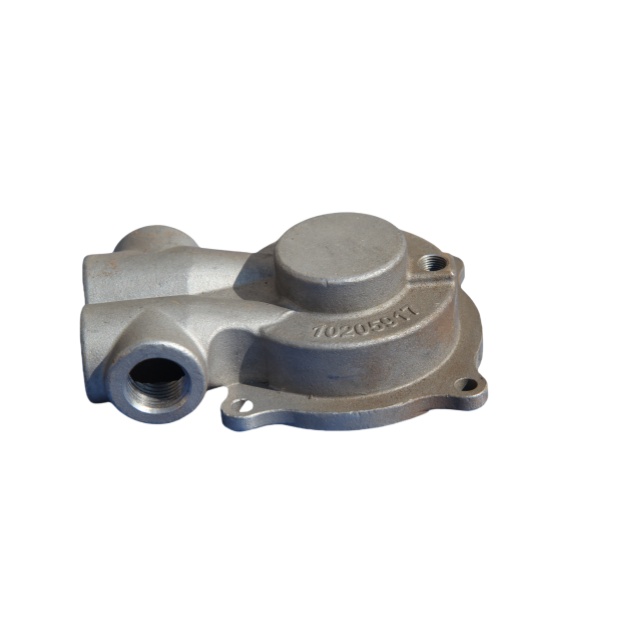
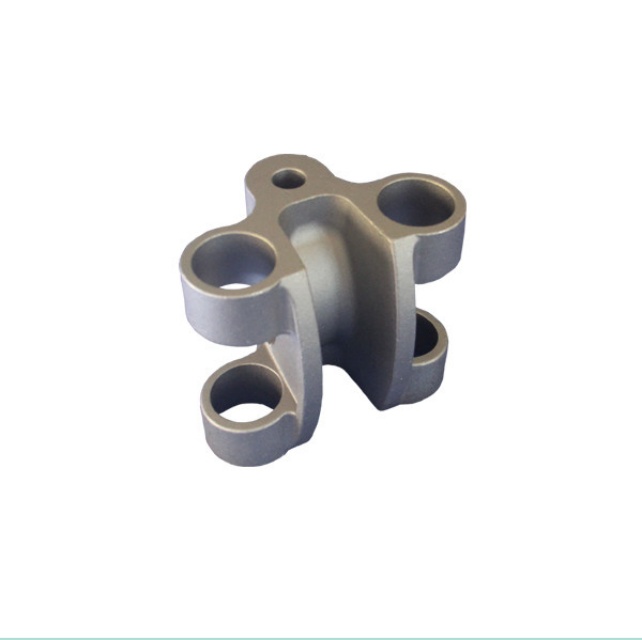
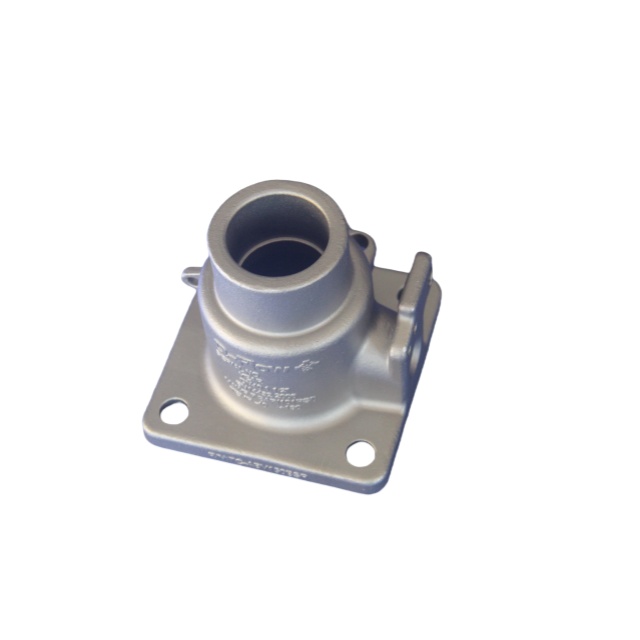
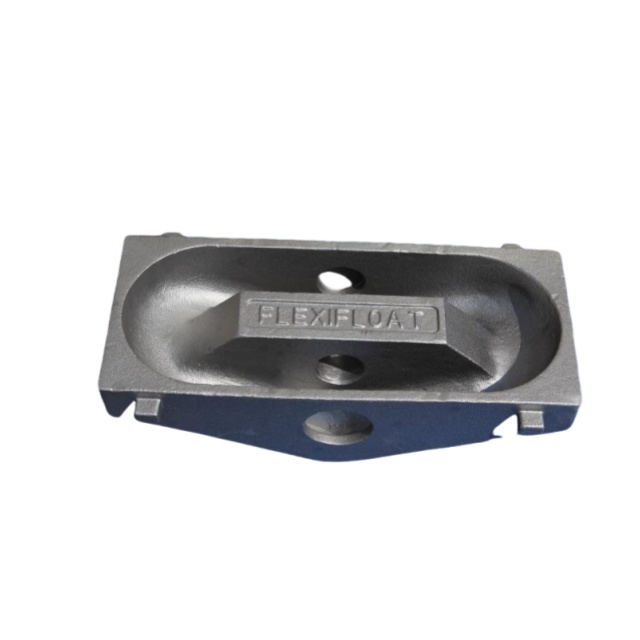
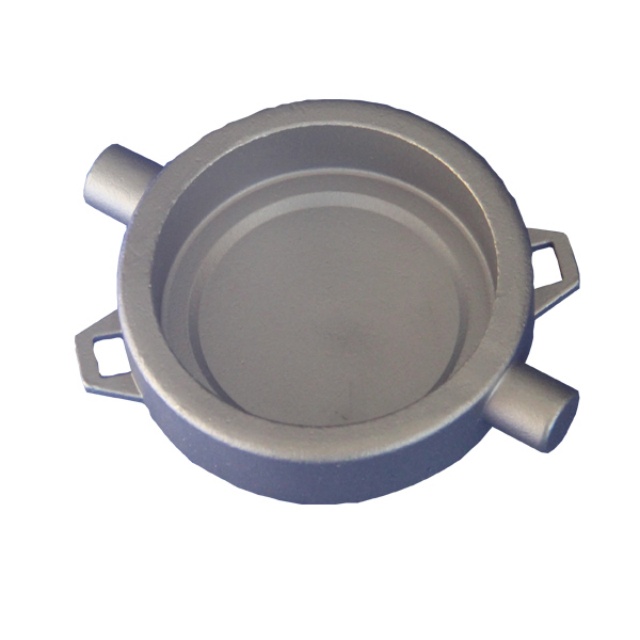
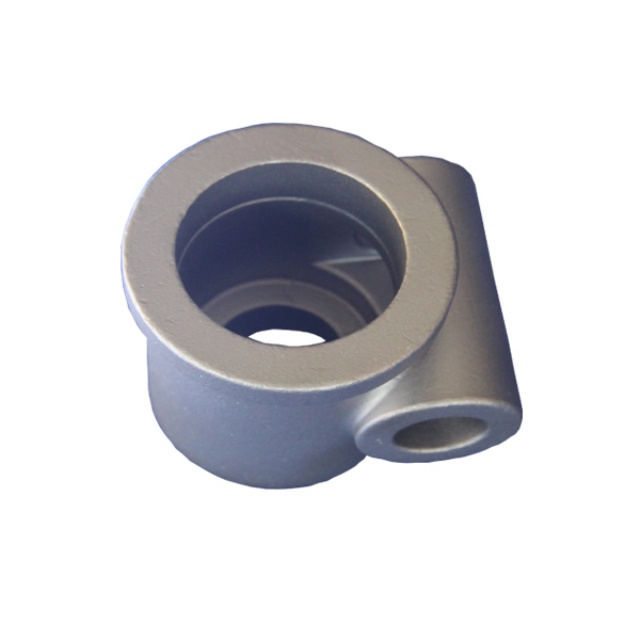
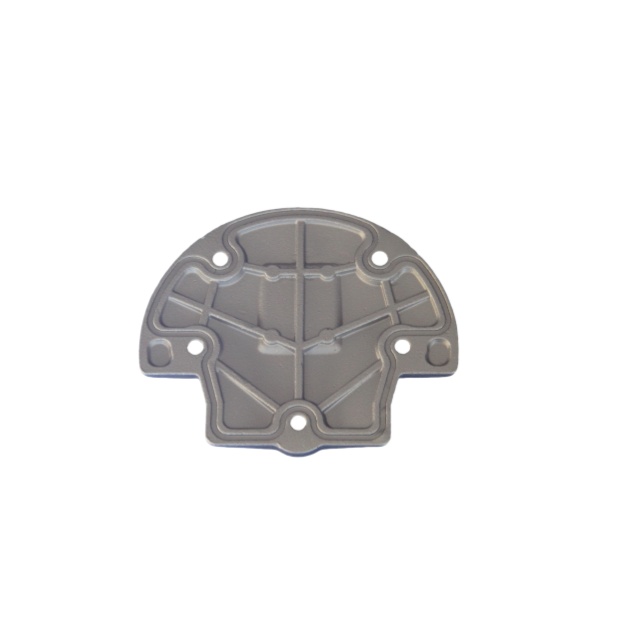
As core equipment for industrial fluid transportation and control, the selection of valve casting materials like carbon steel casts, alloy steel casts and stainless steel casts for valve industry directly determines the adaptability, stability, and service life of the equipment under different working conditions.
The selection of materials for core valve castings components, like valve body, valve bonnet and valve cover must focus on four core working condition indicators: medium corrosion, temperature and pressure, wear and erosion, and strength requirements. The priority of adaptability for the three types of materials is as follows:
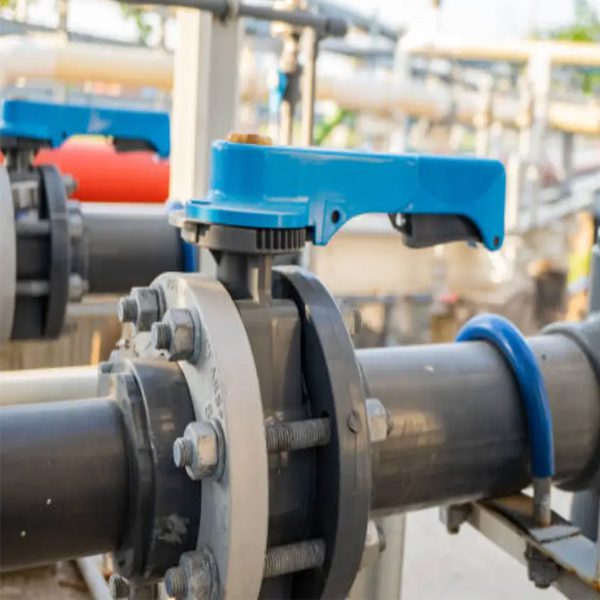
Application of Valve Castings in Valve Industry
Core Performance Advantages | Core Adaptation Direction for Pump and Valve Products | Key Limitations | |
Carbon Steel Castings | Low cost, easy casting and processing, moderate mechanical strength (tensile strength 400~600MPa), and strong compatibility | Transporting neutral/weakly corrosive fluids, medium-low pressure and normal temperature working conditions, structural pump and valve components (pump body shell, valve body frame, flange) | Not resistant to strong corrosion (acids, alkalis, chlorine-containing media), poor high-temperature resistance (long-term use ≤300℃), and easy to rust |
Alloy Steel Castings (Low/Medium-High Alloy) | High strength (tensile strength 600~1200MPa), high-temperature resistance (300~600℃), hydrogen embrittlement resistance/sulfide corrosion resistance, and creep resistance | High/ultra-high pressure working conditions, medium-high temperature fluid transportation, corrosive media containing H₂S/CO₂, core load-bearing components (pump impeller, valve seat, high-pressure valve body) | Higher cost than carbon steel, and some materials require special treatment for welding performance |
Stainless Steel Castings (304/316L/2205 Duplex Steel, etc.) | Strong corrosion resistance (resistant to acids, alkalis, salts, chlorine-containing media), high/low temperature resistance (316L ≤450℃, duplex steel ≤500℃), pitting corrosion/gap corrosion resistance, and hygienic characteristics | Transporting strongly corrosive media, high/low temperature working conditions, hygienic requirements (food/pharmaceutical), precision sealed pumps and valves (valve core, seal ring, impeller) | Higher cost; pure austenitic stainless steel (such as 304) is prone to stress corrosion cracking in high-temperature chlorine-containing environments |
Request a Custom Valve Casting Quote
If you have a valve component drawing, 3D model, existing casting sample, or machining requirement, the engineering team from Lantian precision machinery manufacturing company can review the part and recommend a suitable manufacturing process. As you are the valve manufacturer, we know what you should take care, so we will recommend which process is suitable for you: silica sol investment casting, water glass investment casting or composite shell investment casting process, we will consider both performance and cost-effectiveness when your valve castings are quoted.
Please provide, where available:
- 2D drawing
- 3D CAD model
- Material specification
- Annual or batch quantity
- Required tolerances
- Surface finish requirements
- Heat treatment requirements
- Inspection requirements
- Applicable industry standards
Our team can evaluate whether investment casting, CNC machining, or a combined casting-and-machining process is the most appropriate solution for your valve bodies, valve bonnets, valve cover etc valve components.
Contact Lantian investment casting foundry for a custom valve casting solution.